
“I Thought It Might Change Everything”: Usha Vance Reveals the One Fear She Had Before Welcoming Baby No. 4
For many parents, deciding whether to have another child is filled with excitement—but also uncertainty. That was true even for Second Lady Usha Vance.
e.

In her first extended interview since the birth of her youngest son, Alec, Usha Vance admitted that adding a fourth child to the family made her pause.
She wondered whether another baby would completely reshape the rhythm of their household and whether it might be unfair to the three children they already cherished.
“It felt like a risk,” she shared, reflecting on the decision that weighed heavily on both her and Vice President JD Vance before Alec arrived.
Like many parents, Usha worried about practical questions. Would there be enough time for every child? Would the older siblings feel overlooked? Could they continue balancing public responsibilities while giving each child the attention they deserved?

Those concerns, however, quickly faded after Alec was born.
Instead of disruption, Usha says the family experienced something unexpected: an outpouring of excitement from their older children. Sons Ewan and Vivek, along with daughter Mirabel, eagerly volunteered to hold their new baby brother, help with diaper changes, and spend as much time with him as possible.
To help each child continue feeling valued, Usha and JD Vance intentionally set aside one-on-one time with every son and daughter each day. Whether it’s reading together, talking, or simply sharing a quiet moment, the goal is to remind each child that they remain equally loved.

Looking back, Usha says the fear that once seemed so overwhelming has been replaced by gratitude. Rather than making life feel smaller, welcoming Alec expanded the family’s sense of joy.
Her comments quickly resonated online. Many parents said they recognized the same fears before having another child and appreciated her honesty about the emotional side of growing a family. Others praised the Vances for emphasizing intentional parenting despite the demands of public life.

Not everyone was convinced. Some social media users questioned whether any public family’s life could truly be as harmonious as it appears.
Even so, the interview sparked a broader conversation about parenthood, balancing family with career, and the uncertainty that often comes before one of life’s biggest decisions.
For Usha Vance, the lesson seems simple: the decision that once felt like the biggest risk has become one of the family’s greatest blessings.
Usha Vance and Baby No. 4 — Born Into a Future Unlike Her Three Older Siblings?
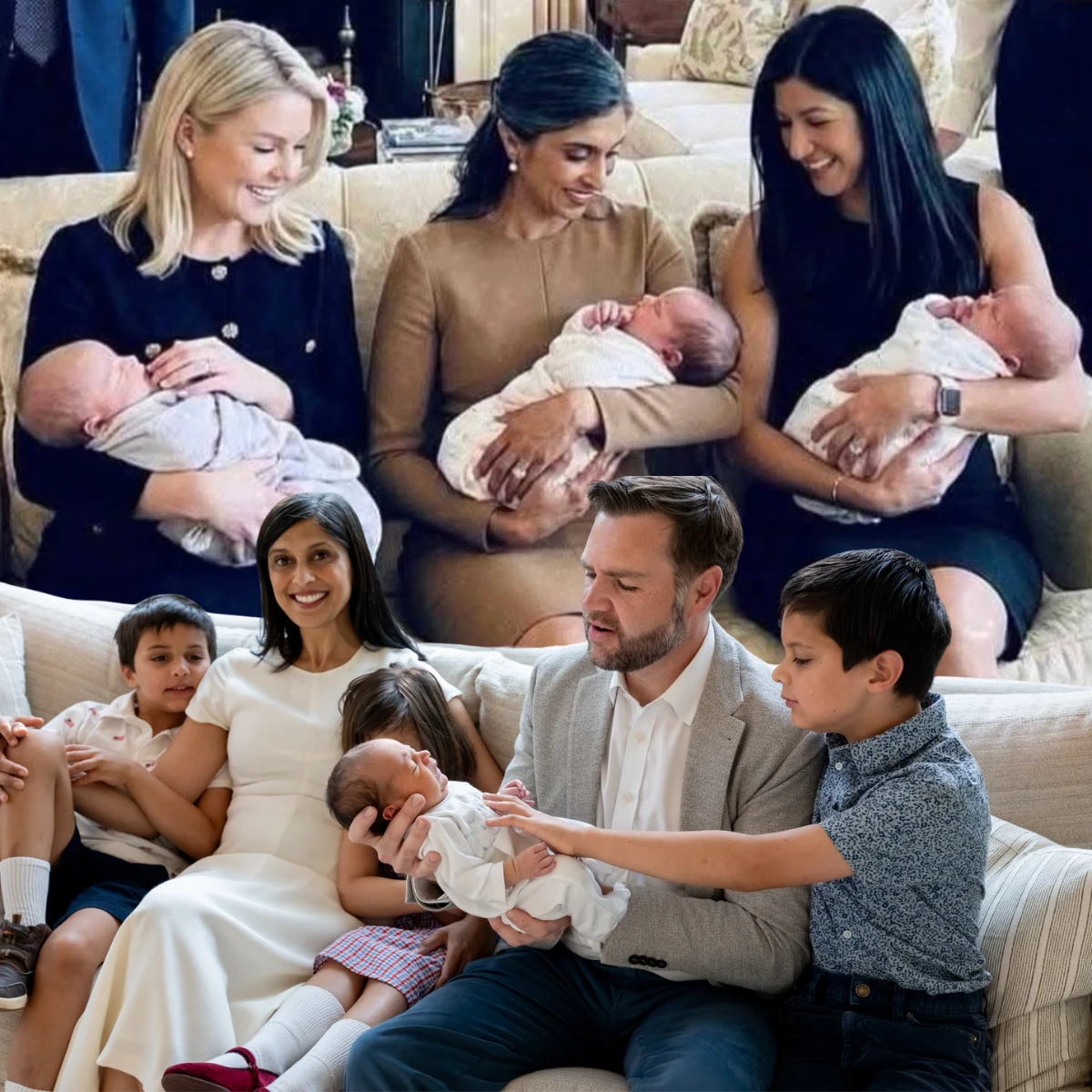
When Usha Vance welcomed her fourth child, the moment was more than another addition to a growing family. Baby No. 4 entered a household whose public profile had changed dramatically since the arrival of the older children.

For Ewan, Vivek, and Mirabel, much of their early childhood unfolded before their father became Vice President. Their lives began away from the intense national spotlight that now surrounds the Vance family.
But their youngest sibling was born into a very different chapter. By the time Baby No. 4 arrived, JD Vance was already one of the most recognizable political figures in America, placing the entire family under a level of attention the older children did not experience.
That difference raises an intriguing question: could growing up in the White House era shape a child’s future in ways that are impossible to predict?
The youngest Vance child will have a childhood surrounded by circumstances that are remarkably unusual. Presidential events, political conversations, public appearances, security details, and national attention may all become part of the family environment.

Of course, none of this determines who the child will become. Children of political families still develop their own personalities, interests, ambitions, and identities. But the environment surrounding them can certainly be different from that of their older siblings.
For the three older Vance children, their father’s rise from author and political commentator to Vice President happened during their childhood. They experienced the transformation of their family in real time.
Baby No. 4, however, entered the family after that transformation had already taken place. There is an important distinction between watching a parent enter national politics and being born into a family already occupying the center of political attention.
That is what makes the newest Vance child particularly fascinating. Not because the baby has a predetermined future, but because the starting point is unlike anything the older siblings experienced.
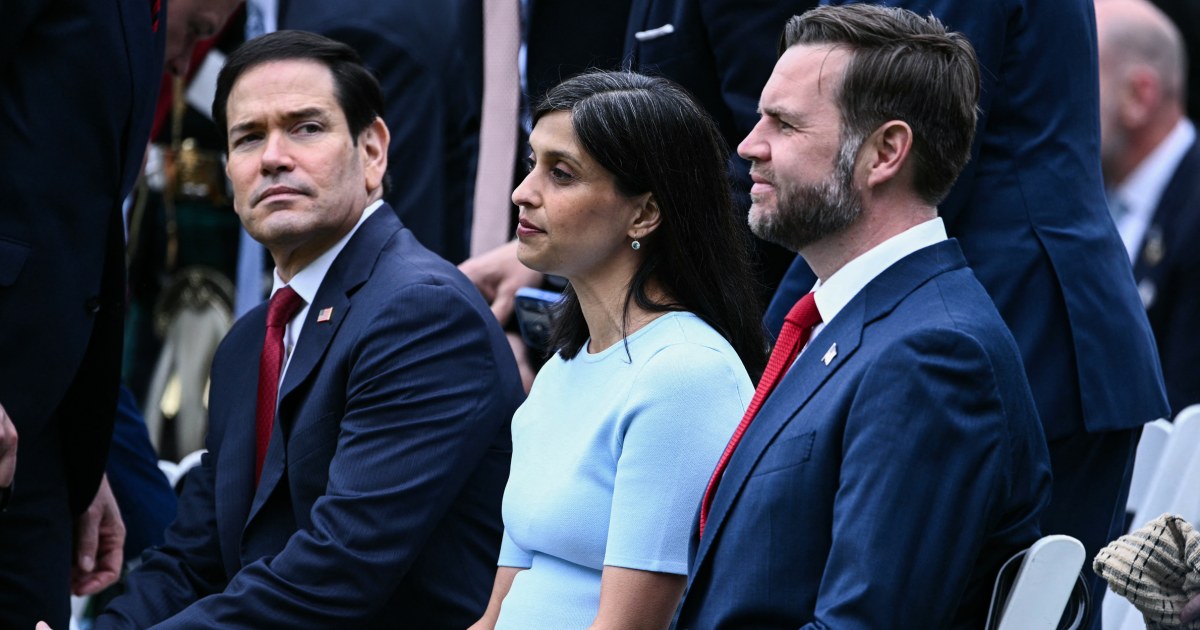
The phrase “born at the finish line” may sound dramatic, but the reality is more complicated. Wealth, political influence, and family connections can create opportunities, but they cannot determine a person’s character or guarantee future success.
What the child inherits is not necessarily a career path, but an extraordinary environment.
The youngest Vance may grow up knowing that one parent serves among the highest levels of American government. The family name may already be familiar to millions of people. And the attention surrounding that name could follow the child for years.
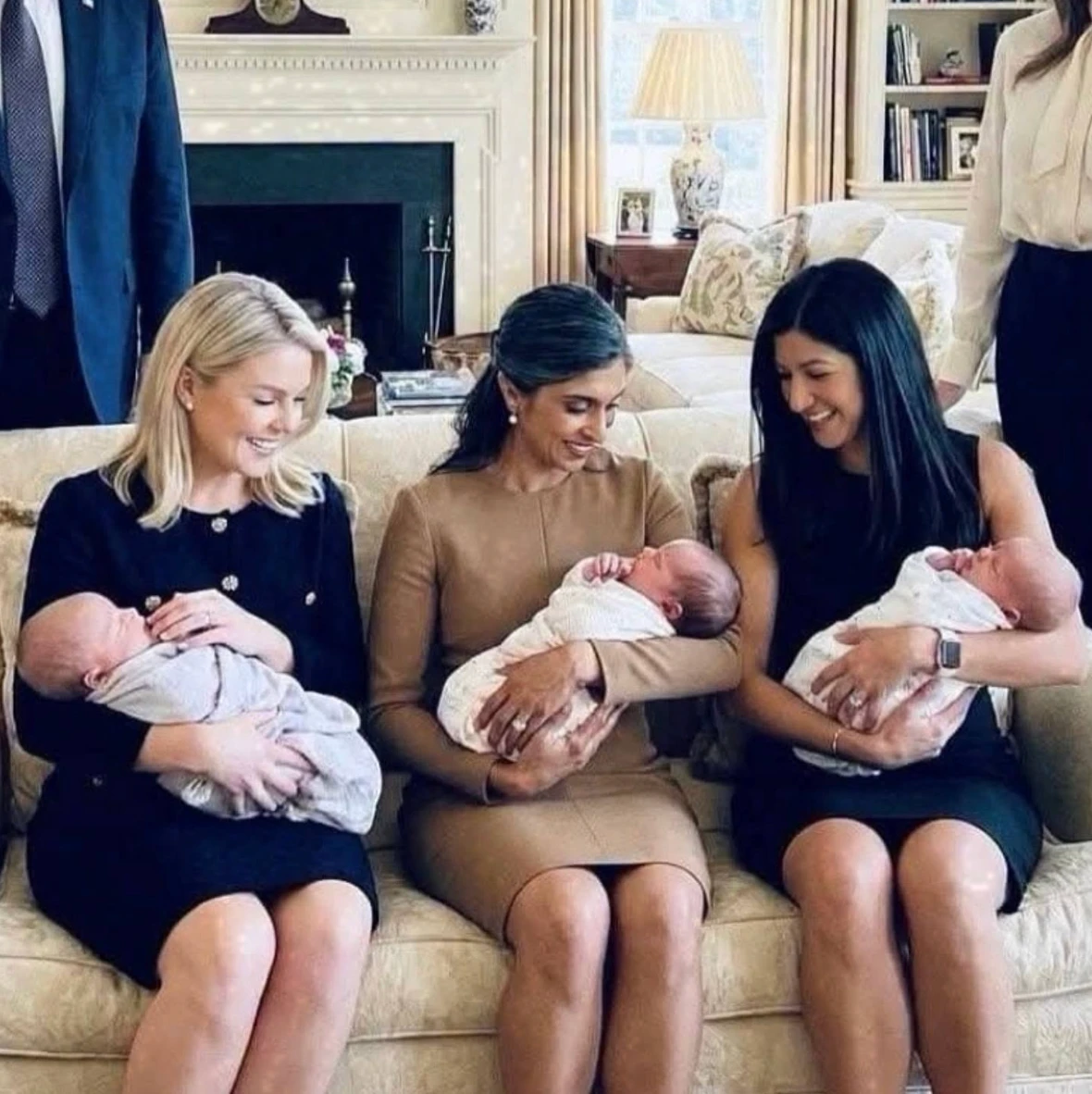
Meanwhile, Usha Vance faces the challenge shared by many parents in prominent families: protecting childhood while living a life that attracts public attention.
Perhaps the most interesting question is not whether Baby No. 4 has a predetermined future. It is whether Usha and JD Vance will be able to give their youngest child the same freedom to discover that future independently.
Because being born into a powerful family can open doors. But ultimately, it is still the child who decides which doors to walk through.
And that may be the biggest difference between being born into an extraordinary family and being given a predetermined destiny.
Baby No. 4 has certainly arrived at a different starting point from the three older Vance children.
But where that starting point eventually leads remains a story that has yet to be written.
