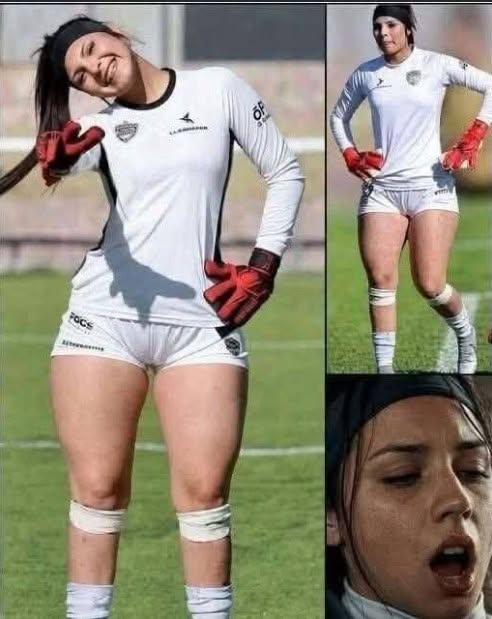
A supposed video of the Juárez Femenil goalkeeper goes viral on social media: here’s what can actually be confirmed
In the last few hours, thousands of users have shared posts claiming the existence of a video involving a goalkeeper from Club Juárez Femenil . The topic quickly spread on platforms like Facebook, WhatsApp, Telegram, and other social media networks, where numerous profiles posted messages accompanied by eye-catching phrases such as “full video , ” “watch it before it’s deleted , ” “here’s the link,” or “it still works . “
The speed with which these posts spread made the issue a trending topic among various digital groups and communities. However, a review of the available information shows that, as of the time of writing this article, there is no verifiable evidence to confirm the authenticity of the claims made or the existence of the alleged material mentioned in the viral posts .
For this very reason, digital verification specialists recommend exercising caution before sharing this type of content or accessing links whose origin is unknown.
What can be confirmed so far?
One of the most important aspects when analyzing any viral content is to differentiate between proven facts and claims that only circulate on social media.
In this case, the reviewed publications present a similar pattern: they promise to show an alleged exclusive video, but do not provide evidence to verify that such material actually exists.
Furthermore, so far no statements have been identified issued by Club Juárez Femenil , by the player allegedly involved, or by other official sources that support the claims made public.
Nor have any reports been found published by reliable journalistic media confirming the authenticity of the alleged content mentioned on social media.
For this reason, any claim about the existence of the video should be considered an unconfirmed version until verifiable evidence appears to support it.
How do these kinds of rumors start?
The spread of rumors related to public figures is not a new phenomenon.
Every day, posts circulate on the internet that use the names of artists, athletes, content creators, or well-known personalities to attract users’ attention.
In many cases, a catchy title is enough for a post to reach hundreds of thousands of views in just a few hours.
Digital platforms tend to favor content that generates a high level of interaction, so messages that arouse surprise, curiosity or controversy can spread very quickly, even when they lack documentary support.
This behavior explains why a rumor can spread long before there is official information about the facts.
The most commonly used phrases to attract clicks
Digital literacy specialists have identified expressions that appear repeatedly in publications designed to spark curiosity.
Among the most frequent are:
- “They don’t want you to see this video.”
- “Before they eliminate it.”
- “Here’s the full link.”
- “Look at it before it disappears.”
- “It still works.”
The purpose of these phrases is to create a sense of urgency so that the user clicks immediately, without stopping to check if the information comes from a reliable source.
This strategy is known as clickbait or content designed to obtain visits through eye-catching headlines.
The risk of unknown links
Beyond the potential for misinformation, these types of posts can also pose a risk to digital security.
On numerous occasions, the shared links do not lead to the supposed advertised content.
Instead, they redirect to pages with excessive advertising, deceptive forms, or sites that try to collect the user’s personal information.
Some even require users to download applications, install files, or complete surveys before allowing access to the supposed video.
Cybersecurity experts warn that this type of practice can be used to generate revenue through advertising, artificially increase traffic to certain pages, or, in some cases, attempt to obtain personal data from those who access the link.
Therefore, they recommend avoiding opening links whose origin cannot be verified and being wary of any site that requests confidential information without a clear justification.
How to identify a potentially misleading post?
Although no single characteristic can definitively determine whether a publication is false, there are signs that justify acting with greater caution.
Among them are:
- Exaggerated headlines written entirely in capital letters.
- Promises of “exclusive” content without showing evidence.
- Phrases that appeal to urgency, such as “before they delete it”.
- Common spelling mistakes.
- Absence of identifiable authors or sources.
- Links with little-known domains.
- Requests to share the post before accessing the alleged content.
The presence of several of these elements does not automatically prove that the content is false, but it is sufficient reason to verify the information before sharing or interacting with it.
The importance of waiting for verifiable information
When a rumor involves a public figure, the speed at which it circulates on the internet can far exceed the speed at which the authorities, institutions, or people involved have the opportunity to comment.
Therefore, verification specialists recommend waiting for official statements or reports from reliable sources before accepting as true a claim that is only circulating on social media.
In the case analyzed, the information available so far does not allow us to confirm the existence of the alleged video mentioned in the viral publications, so it is advisable to act with caution and avoid contributing to the dissemination of content whose authenticity has not been demonstrated.
